
Show us the tree and access
Send the address, whole-tree photos, the branches of concern and the route to the road.

Crown reduction, thinning and lifting
We reduce, thin and lift tree crowns across Iver, Slough and Buckinghamshire. Each operation produces a different result, so we agree the purpose, measurements and likely finish first.
What this service covers
Crown reduction shortens branches around all or part of the outer crown. It changes the tree's height, spread or both. The finished size should be described in metres, with the natural outline retained where the tree allows it. A reduction may be considered where selected branches need more clearance from a roof or boundary, or where the crown needs to remain smaller for a clear reason.
Crown thinning removes selected smaller branches through the crown to reduce its density. It does not make the tree shorter or narrower. The amount is normally written as a percentage, and the work should be spread through the crown rather than stripped from the inside. Thinning can let more light through, but the actual change depends on the tree, the garden and the amount that can be removed without taking too much live growth.
Crown lifting deals with the lowest branches. It creates a stated clearance above a drive, path, lawn, roof or other fixed point. On a mature tree, removing a large limb straight from the trunk may leave a wound that is out of proportion to the benefit. Shortening lower branches or removing smaller secondary growth can sometimes give the required clearance with a smaller impact. We confirm that choice from the tree and site, not from the service name alone.
How it works
Send the address, whole-tree photos, the branches of concern and the route to the road.
We confirm whether reduction, thinning, lifting or a limited combination suits the aim and the tree.
Our qualified team carries out the stated pruning and includes clean-up of the working area.
A useful quote states what part of the crown will change and by how much. We look at branch size, growth habit, previous cuts, the target clearance and the amount of live crown that would remain. The work is specified in line with BS 3998:2010 recommendations for tree work. That means measured outcomes and suitable pruning cuts, rather than a vague instruction to take the top off.
Access matters as much as the percentage or clearance height. A crown over open lawn is a different job from one above a conservatory, neighbouring shed or narrow side passage. Our qualified tree surgeons agree the work method after the tree and working area have been seen. We carry £10 million public liability insurance. We carry out the agreed tree work, but we do not provide tree surveys or consultancy reports.
Leaving a branch to keep rubbing a roof, blocking a drive or hanging into a regular walking route can allow the same conflict to continue. Heavy pruning is not an automatic answer. Taking off too much foliage or leaving large wounds can create a different problem for the tree. The proposed work therefore starts with the specific obstruction or management aim, then stops at a sensible pruning limit.
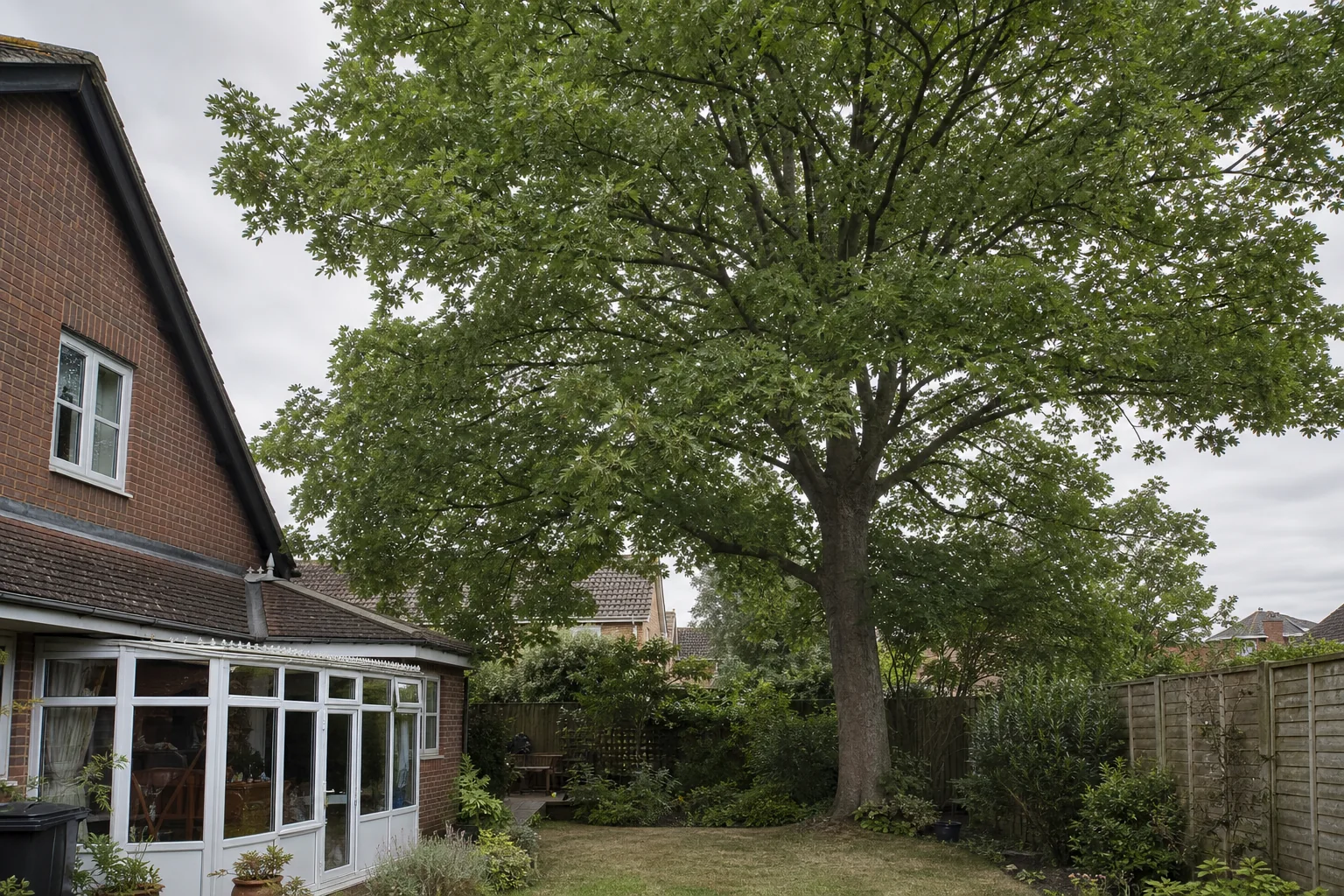
There is no single best month for every crown job. The Arboricultural Association gives late spring through summer as general pruning guidance, but some trees are better handled at other times and severe frost, drought or autumn fungal activity can change the decision. The tree, the amount of work and the reason for it all matter. We do not promise a pruning window until those points have been considered.
A Tree Preservation Order, conservation-area status or a planning condition can restrict pruning. The relevant address should be checked with Buckinghamshire Council or Slough Borough Council before work starts. Active wild bird nests are protected by law, and tree cutting is one of the activities that can harm them. Work must avoid damaging or destroying a nest while it is being used or built. These checks can alter the scope or timing of the job.
Permission and wildlife controls apply to the work itself. They are separate from Woodside's quote and must be settled before restricted work begins.
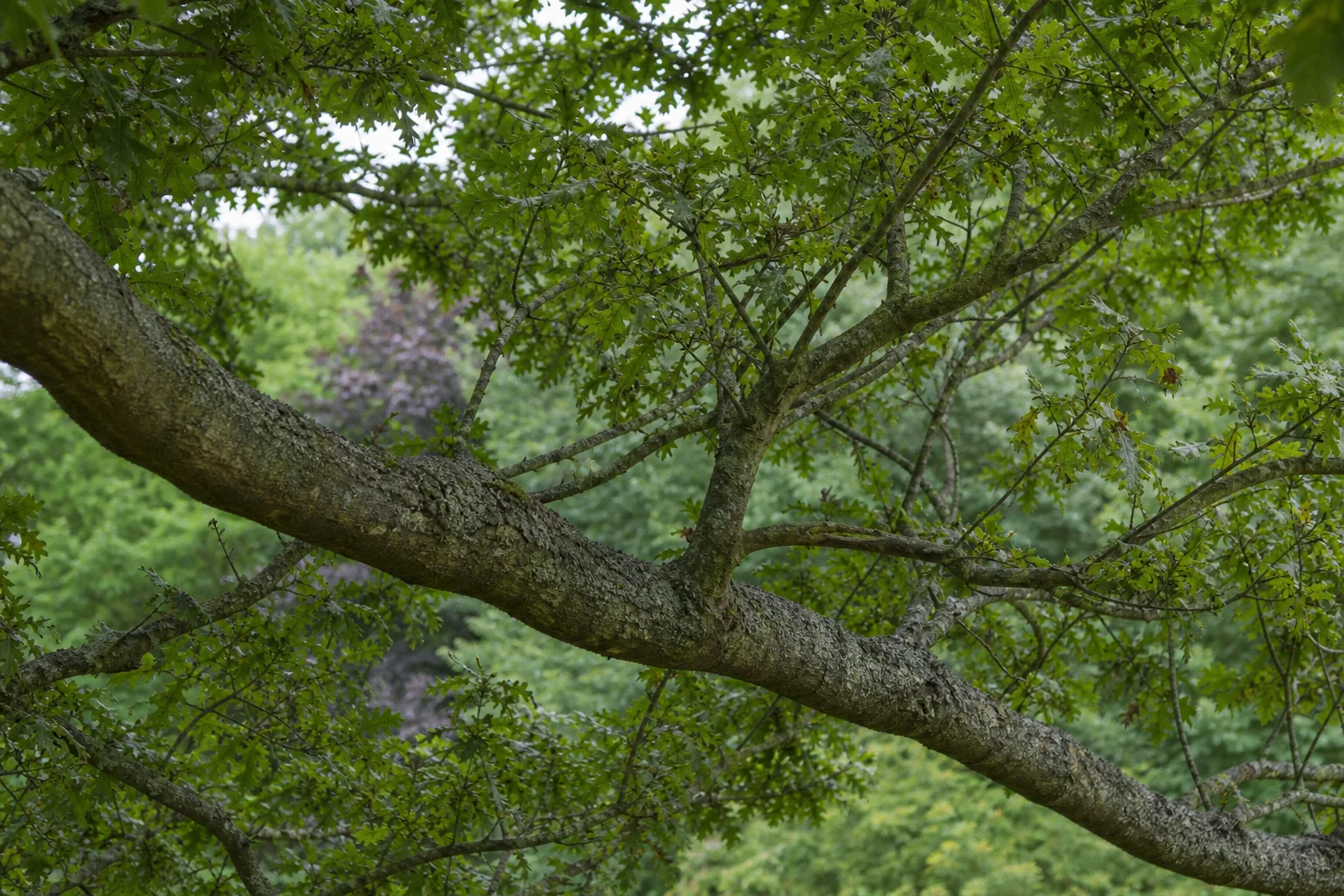
Send a whole-tree photograph, closer views of the branches causing concern and a clear picture of the route from the tree to the road. Add the address and explain whether the aim is a smaller crown, less density or a fixed clearance. We may need to see the site before confirming the operation and measurements.
On the day, the agreed specification and working area are confirmed before cutting starts. The team completes the stated crown work and clean-up is included. What happens to branches and other cut material is agreed for that individual job. We serve Iver, Slough and the surrounding Buckinghamshire area. We agree what is included, so the requested finish is clear before the work begins.
Straight answers
Reduction shortens the outer branches and changes the crown's height, spread or both. Thinning removes selected smaller branches to reduce density while keeping the crown's overall size and outline.
No. Crown thinning is not a height reduction. If height or spread needs to change, a measured crown reduction may be the relevant operation, subject to the tree and site assessment.
You may. Work to a tree covered by a Tree Preservation Order normally needs written consent, and trees in a conservation area can require notice. The local planning authority should be checked for the property before restricted work starts.