

Lime tree work
Lime tree surgery
Lime tree surgery ranges from basal shoot removal to work on a large established crown. We agree the objective first, then plan the cuts, access and handling around the individual tree.
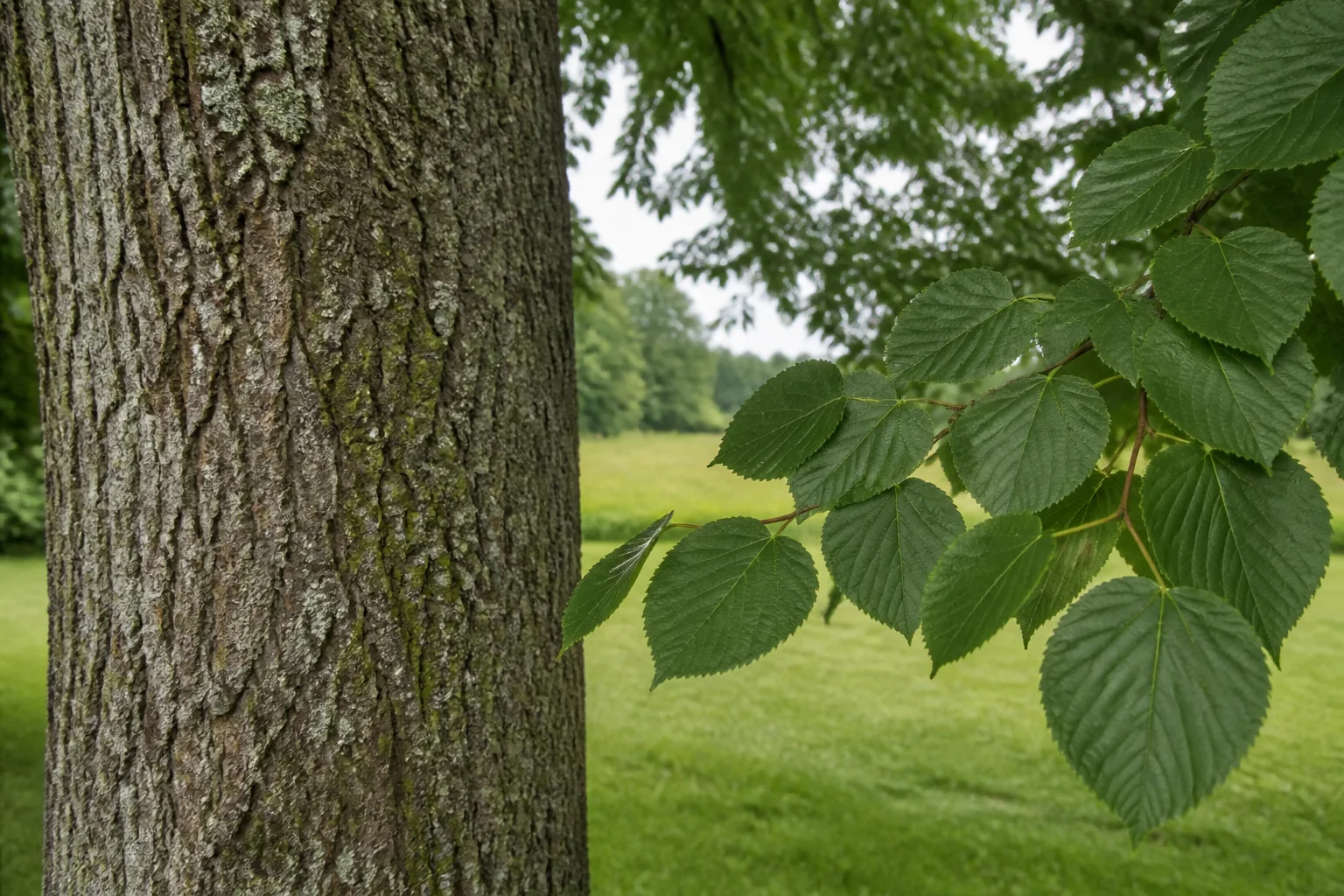
Broad heart-shaped leaves with pointed tips
Burrs and basal shoots are common on mature trees
Established pollards need their existing cycle understood
Lime tree work
Crown work and basal growth
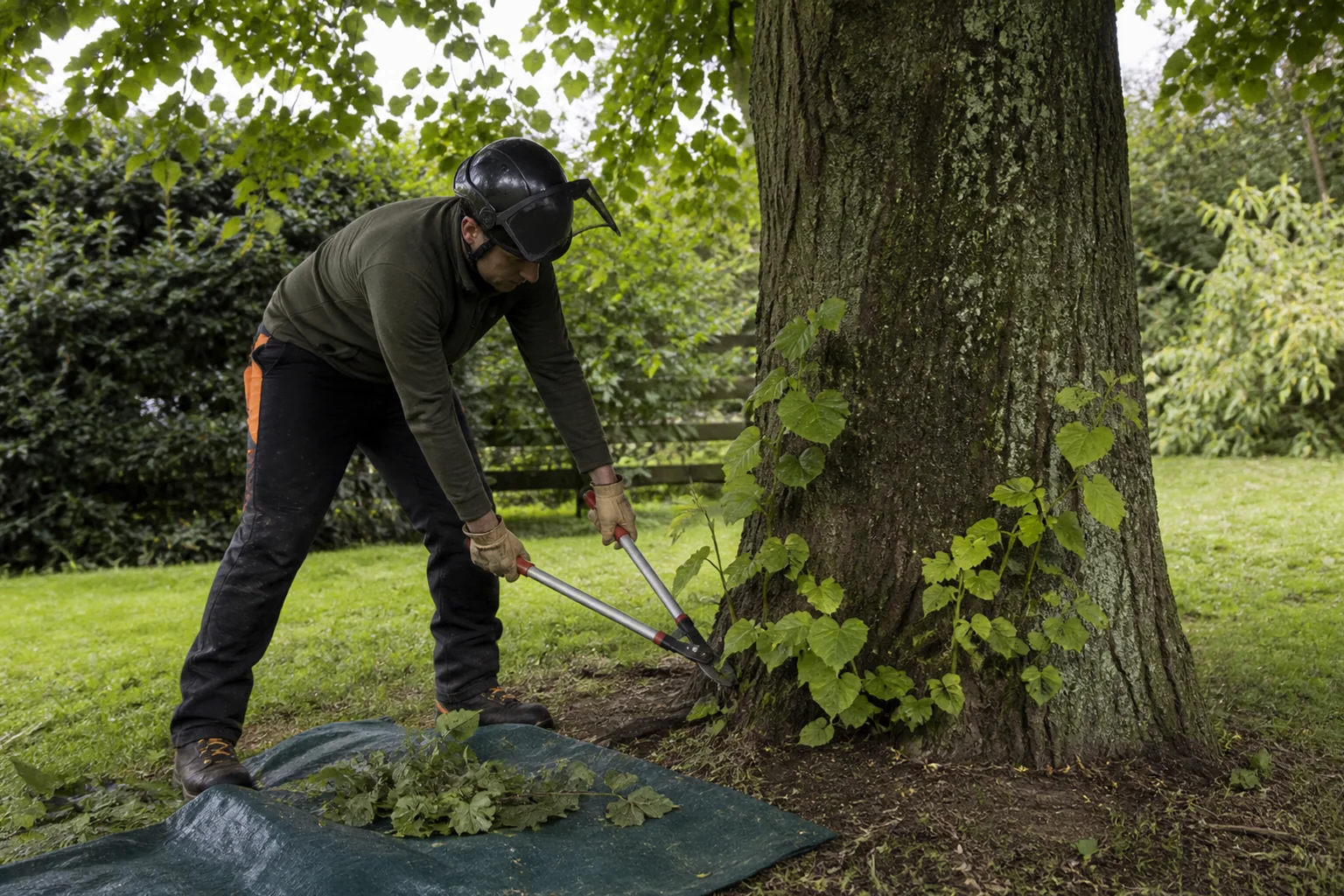
A common lime may need clearance from a building or road, dead branches removed, or a measured reduction where its crown has become too large for the setting. Common lime also produces burrs and shoots around the base, so some maintenance jobs concern ground-level growth rather than the crown.
The quote should separate those tasks. Cutting basal shoots does not change the size of the crown, and pruning the crown does not stop future shoots from appearing at the base. Photographs should show both areas when both are part of the brief.
Old pollards need a clear cycle
Some lime trees have been managed as pollards for many years. Recutting an established pollard is not the same job as heavily cutting back a mature tree that has never been pollarded. The old pruning points, the size of the regrowth and the intended cycle all need to be understood.
Where a lime has no established pollard framework, a crown reduction should be described by the amount removed and the intended finished size. Large indiscriminate cuts leave a different structure and can lead to dense regrowth around the wounds.
Honeydew is not a pruning specification
Aphids feeding on lime leaves can produce sticky honeydew, which may coat cars, paving or furniture beneath the crown. Pruning a few branches may move the drip line, but it does not guarantee that honeydew will stop. The requested result needs to be realistic before crown work is agreed.
Show what sits under the tree, where clearance is needed and how material can leave the garden. Clean-up is included, with branch and timber handling agreed for the job.
Street and garden limes may be protected
Before arranging work, confirm who owns the tree. A lime beside the pavement may be a highway or council tree even where branches overhang a private garden. An individual lime may also have a Tree Preservation Order, and conservation-area controls can apply.
The local planning authority can confirm protection status and responsibility for public trees. Do not arrange private work on a tree until ownership and any required permission are clear.